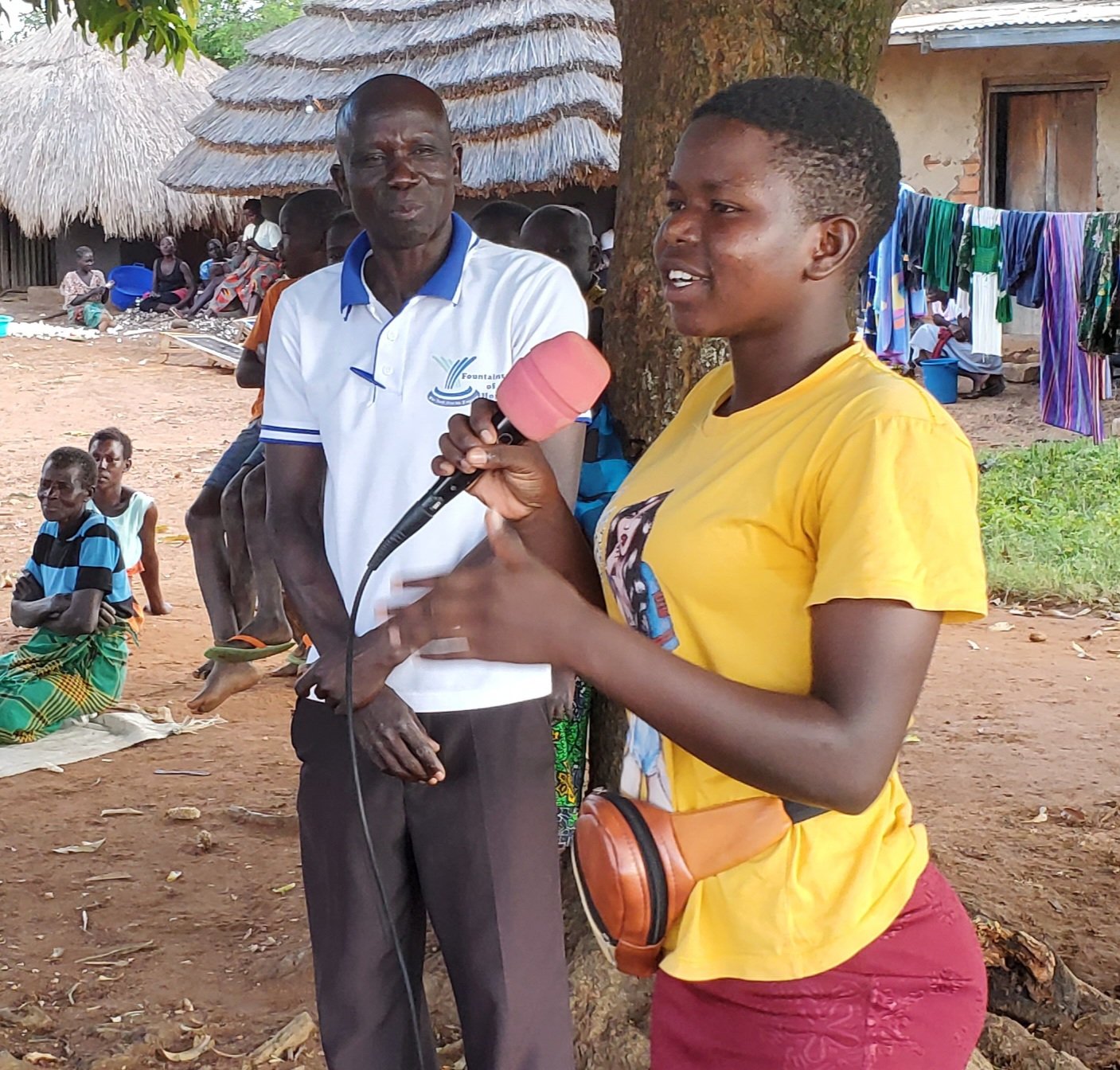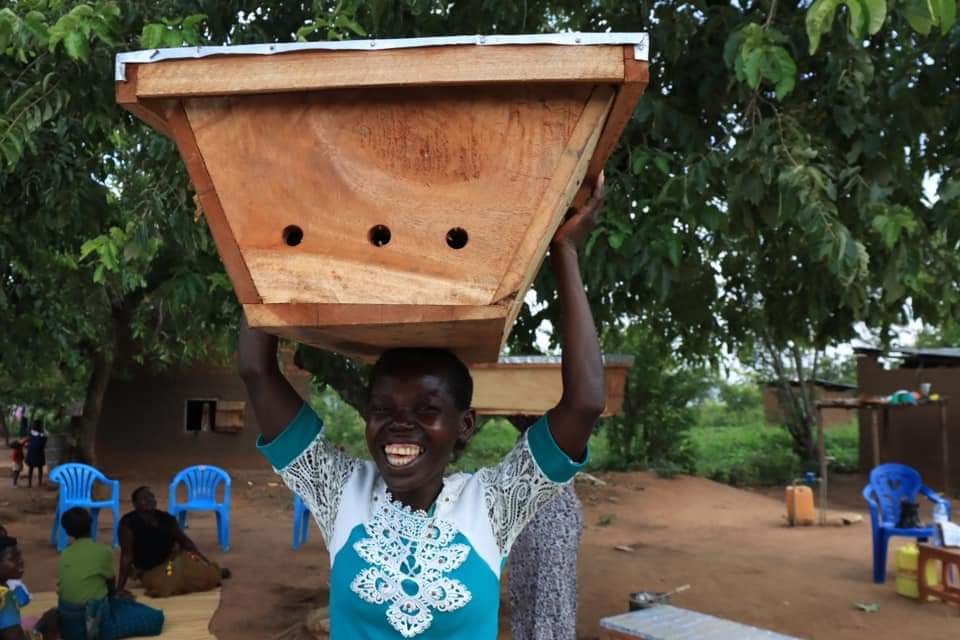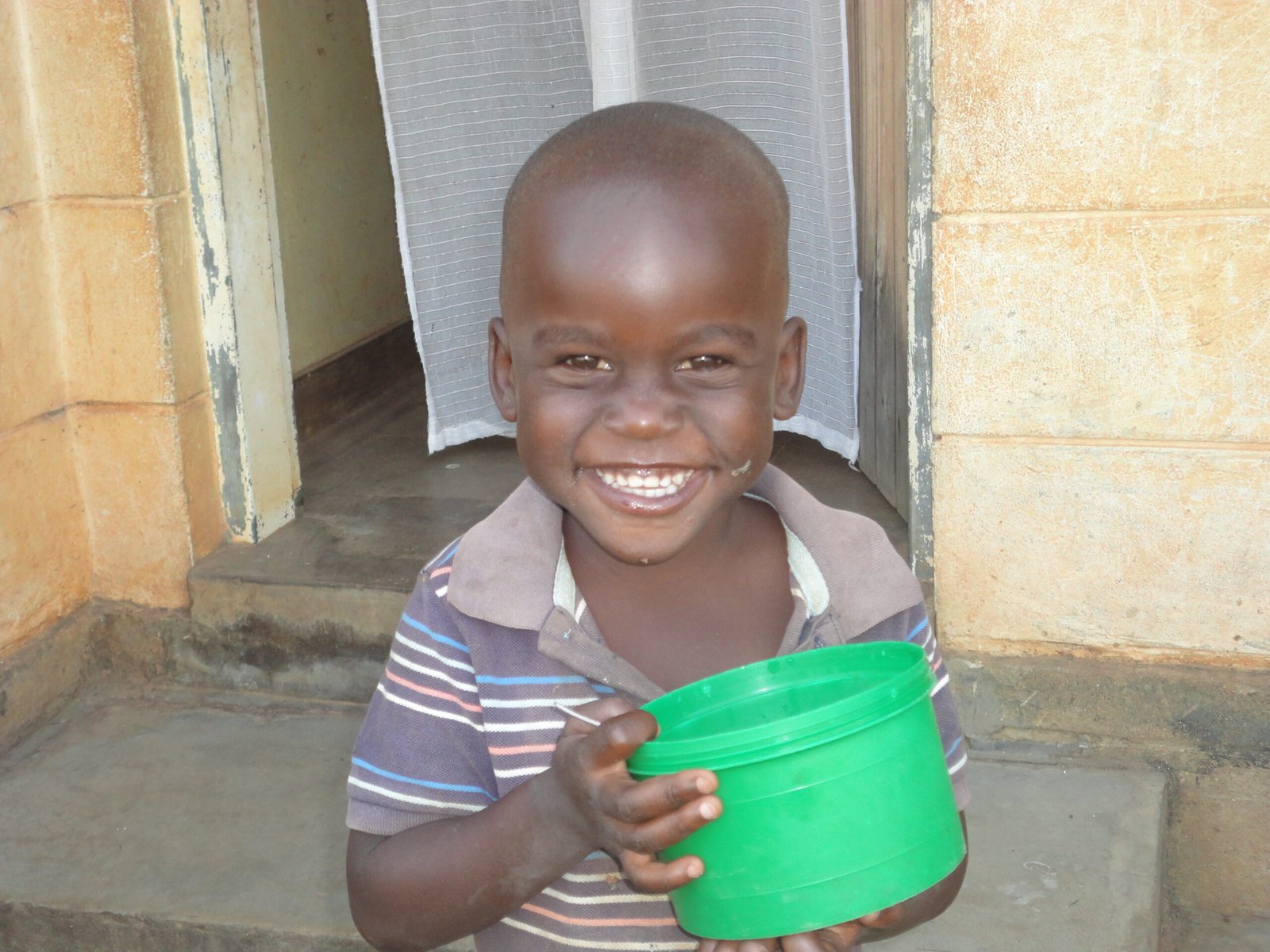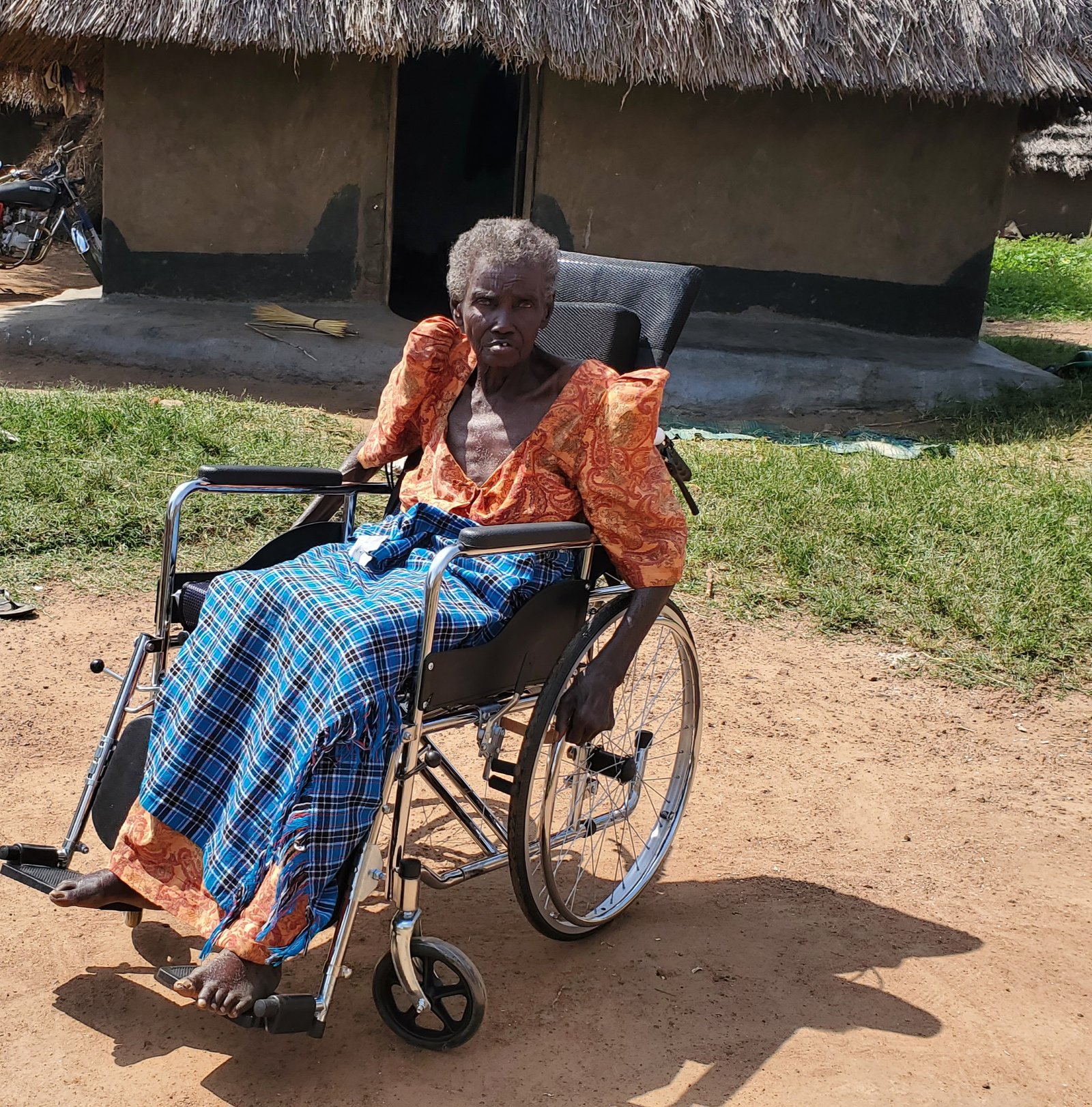


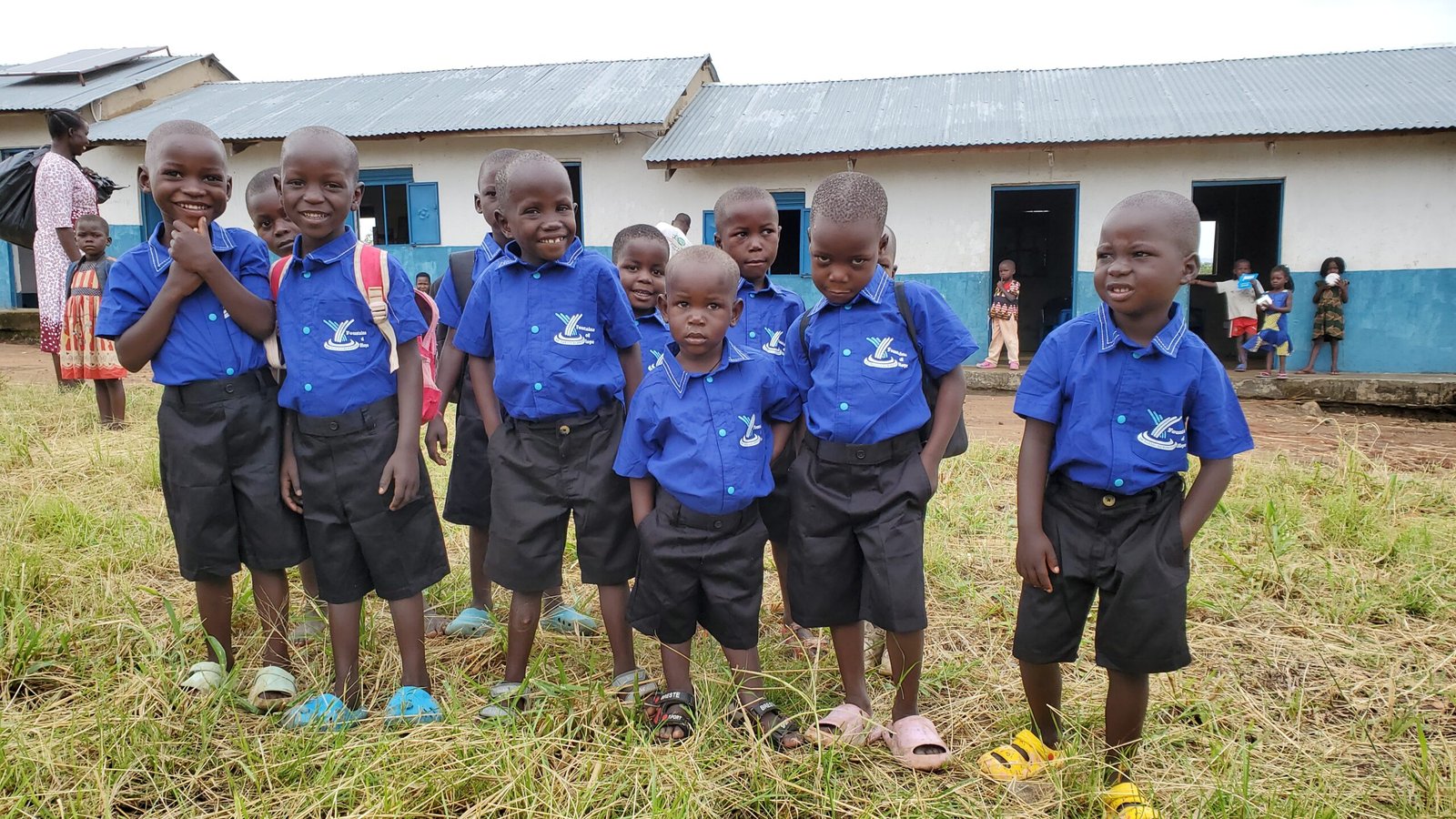
At Fountains of Hope, we believe education is the cornerstone of empowerment and sustainable development. Our Education Support programs are designed to promote access to quality learning for all children, with a strong focus on empowering girls and supporting the most vulnerable members of our communities.
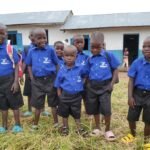
We begin with Early Childhood Development (ECD) programs, ensuring that children from as young as three receive a strong foundation in cognitive, social, and emotional skills. Through well-structured learning activities, play-based education, and engagement with parents and caregivers, we prepare children for lifelong learning and success in formal schooling.
To address barriers faced by vulnerable children, we provide sponsorship programs that cover school fees, uniforms, learning materials, and mentorship. This support ensures that children from disadvantaged backgrounds remain in school and thrive academically, socially, and emotionally.
Recognizing that not all children remain in formal education, we also implement skills development programs for school dropouts and youth at risk. These initiatives provide vocational training, life skills, and mentorship to equip young people with the tools they need for economic independence and meaningful participation in society.
Through a combination of community engagement, teacher support, safe learning environments, and inclusive education practices, our programs ensure that every child has the opportunity to learn, grow, and reach their full potential. By investing in education today, Fountains of Hope is building a generation of empowered, skilled, and resilient children who can drive positive change in their communities tomorrow.
Program Goal:
To ensure equitable access to quality education for all children, particularly girls and vulnerable children, while providing alternative learning pathways for out-of-school youth through skills development initiatives.
Scope of Work:
- Early Childhood Development (ECD):
- Activities: Establish and support ECD centers, provide age-appropriate learning materials, train caregivers and teachers, and implement parent engagement programs.
- Target: Reach 500 children aged 3–6 years annually in Nebbi District with structured ECD programs.
- Outcome: By the end of Year 1, 80% of children enrolled will demonstrate improved cognitive, social, and emotional development as measured by standardized assessments.
- Sponsorship for Vulnerable Children:
- Activities: Provide school fees, uniforms, learning materials, and mentorship to vulnerable children, including orphans and children from low-income households.
- Target: Support 300 vulnerable children annually to remain in primary and secondary education.
- Outcome: Achieve a 95% retention rate in school among sponsored children by the end of the school year.
- Skills Development Program for School Dropouts:
- Activities: Deliver vocational and life skills training, career guidance, and mentorship for youth who have dropped out of school.
- Target: Engage 200 out-of-school youth annually in skills development programs such as carpentry, tailoring, ICT, and agribusiness.
- Outcome: By the end of the program year, 70% of participants will gain employable skills or start small enterprises.
- Community and Teacher Engagement:
- Activities: Train teachers on inclusive teaching practices, organize community sensitization on the importance of education, and promote girls’ education campaigns.
- Target: Train 100 teachers and engage 50 community groups per year.
- Outcome: Increase community awareness and support for education, leading to a 10% reduction in school dropout rates over two years.
Implementation Timeline:
- Phase 1 (Months 1–6): Needs assessment, community mobilization, recruitment of beneficiaries, and teacher/caregiver training.
- Phase 2 (Months 7–18): Rollout of ECD centers, sponsorship disbursement, and skills development programs.
- Phase 3 (Months 19–24): Monitoring, evaluation, mentorship support, and reporting on program outcomes.
Expected Impact:
By the end of two years, over 1,000 children and youth in Nebbi District will have gained access to quality education, skills development, and mentorship. Girls’ school attendance and retention will increase, early childhood learning outcomes will improve, and out-of-school youth will gain skills for economic independence, laying a foundation for a more
Program Components & Targets
| Component | Activities | Target | Expected Outcome |
| Early Childhood Development (ECD) | ECD centers, learning materials, teacher/caregiver training, parent engagement | 500 children aged 3–6 | 80% demonstrate improved cognitive, social, and emotional development |
| Sponsorship of Vulnerable Children | School fees, uniforms, learning materials, mentorship | 300 children | 95% school retention rate |
| Skills Development for Dropouts | Vocational & life skills training, career guidance, mentorship | 200 youth | 70% gain employable skills or start small enterprises |
| Community & Teacher Engagement | Teacher training, community sensitization, girls’ education campaigns | 100 teachers & 50 community groups | 10% reduction in dropout rates |
Impact at a Glance
- 1,000+ children and youth reached in 2 years
- 500 children receiving early childhood education
- 300 vulnerable children sponsored to remain in school
- 200 out-of-school youth gaining employable skills
- 10% reduction in school dropout rates
Infographic Idea:
- A stacked bar showing beneficiaries per program (ECD, sponsorship, skills, community engagement)
- Icons for girls, children, and youth to visually emphasize target groups
- Timeline flow with three phases and milestones
- Pie chart showing retention and skill acquisition rates
Why Invest?
Supporting this program means transforming lives, empowering girls, preventing school dropouts, and equipping youth with skills for a brighter future. Every dollar invested translates into education, opportunity, and community resilience